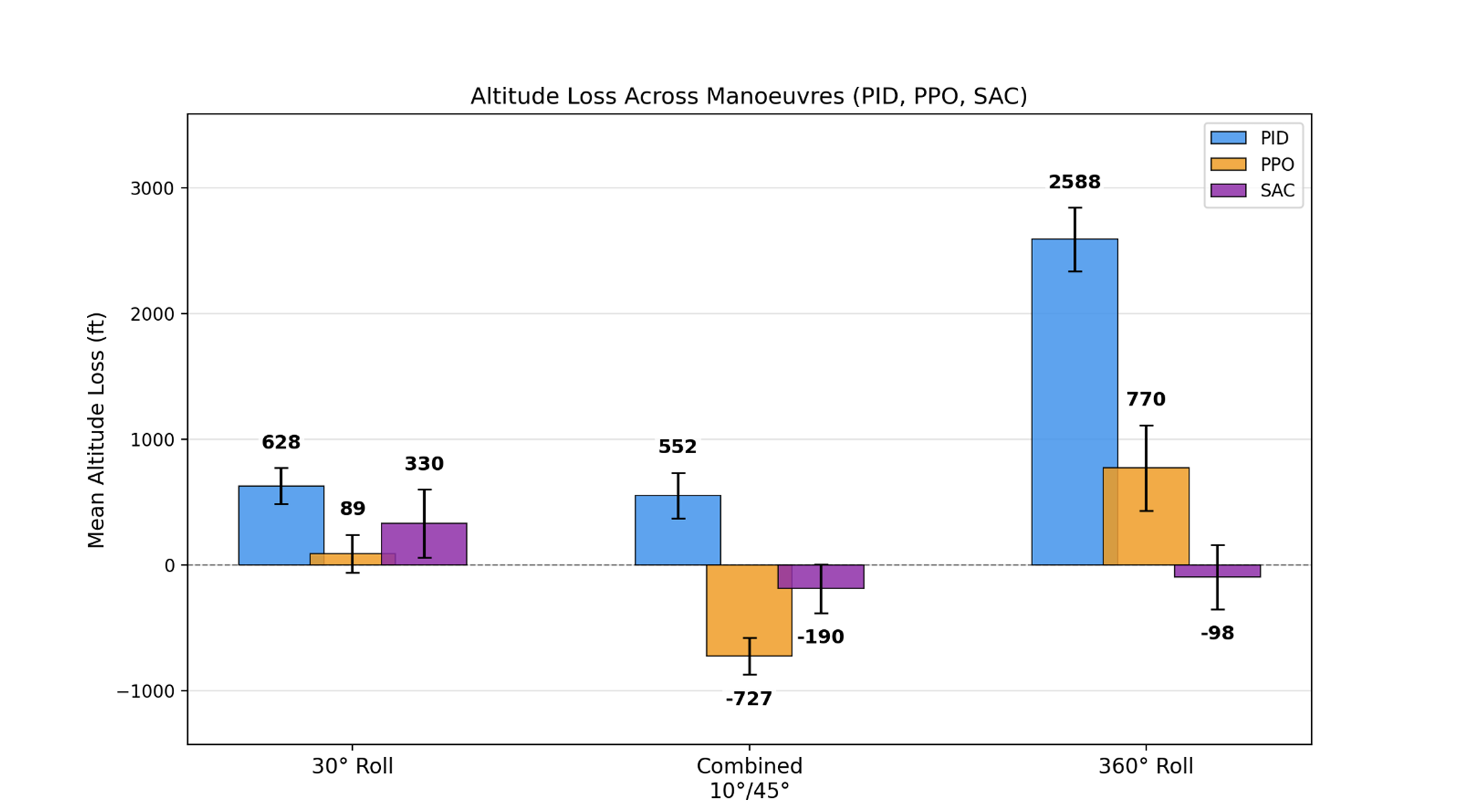
Figure 19 — Altitude loss across manoeuvres
Reinforcement Learning-Based Control for High-Performance
Aircraft Manoeuvring in Nonlinear Flight Regimes
Fully autonomous 360° roll. Landing gear visible in the renders is for visual reference only — not aerodynamically modelled in the simulation.
Built a Python-based 6-DoF F-16 simulation and evaluated PID, LQR, PPO and SAC controllers under randomised disturbances. SAC reduced altitude loss during an autonomous 360° roll by 96% relative to PID across 50 independently seeded evaluations. A predictive model also achieved R²=0.99, using the first two seconds of flight data to estimate final controller performance.
Figure 19 — Altitude loss across manoeuvres
System Architecture
Read the Paper
Reinforcement Learning-Based Control for High-Performance Aircraft Manoeuvring in Nonlinear Flight Regimes
Opportunities
BEng Aerospace Engineering graduate open to roles in engineering, research, and adjacent technical fields. Feel free to get in touch regarding CV or opportunities.